
Summary
What Research Says About Yoga and Menopause
Studies on yoga and menopause consistently show benefits in three main areas: stress reduction, sleep quality, and emotional regulation. This makes sense, yoga activates the parasympathetic nervous system, lowers cortisol, and encourages mindful body awareness. For women navigating the hormonal shifts of perimenopause and menopause, these effects are genuinely meaningful.
What general yoga research doesn't often address, however, is hormonal function itself, which is the root cause of most menopause symptoms.
The Limitation of General Yoga
A restorative yoga class or a vinyasa flow will support your nervous system and overall wellbeing. What it won't do is specifically stimulate the glands responsible for producing your hormones: the ovaries, thyroid, and adrenal glands. General yoga wasn't designed with that goal in mind.
That's the gap that matters the most for women whose main complaints aren't just stress or poor sleep, but a body that feels hormonally off.
Hormone Yoga: Designed for This
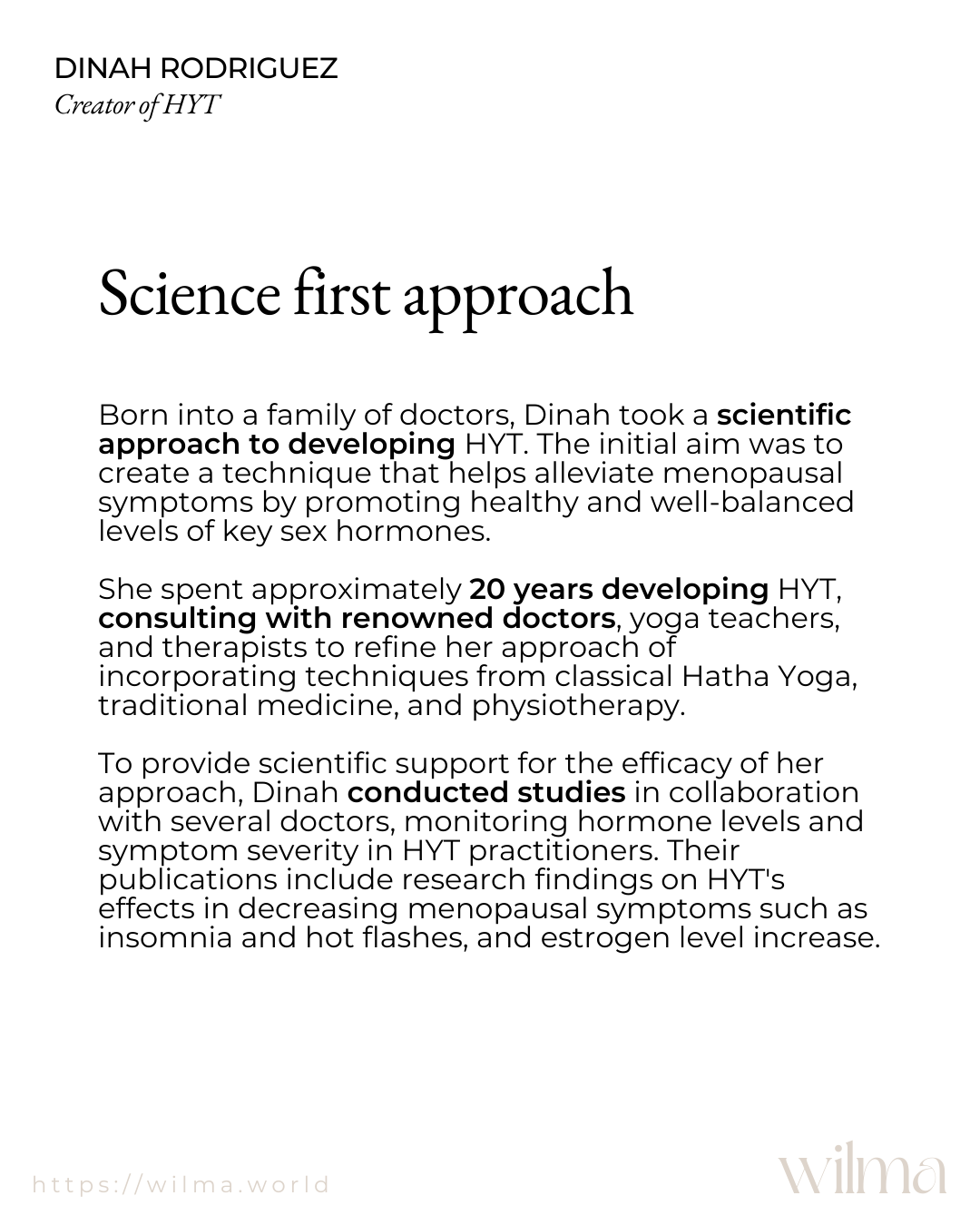
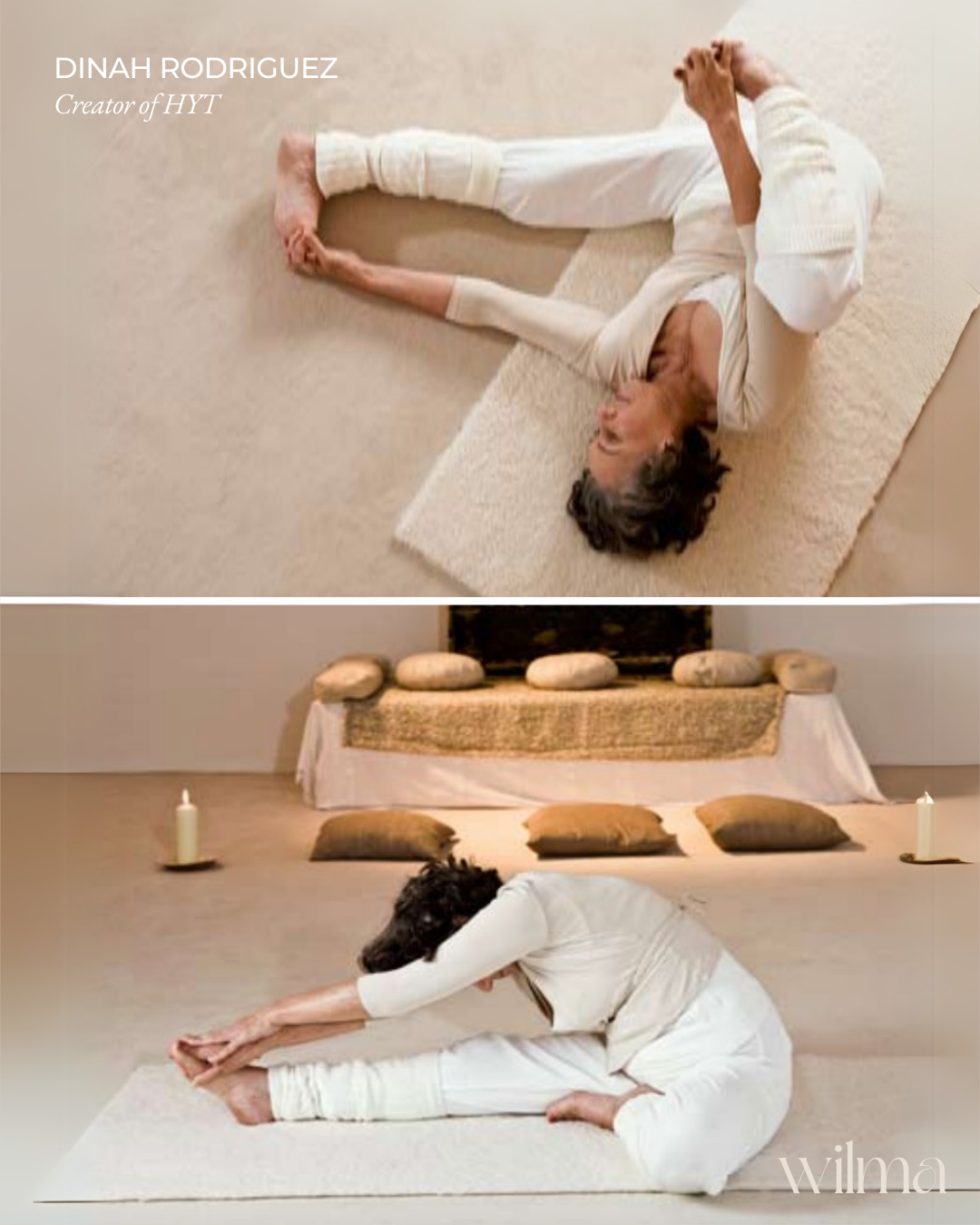
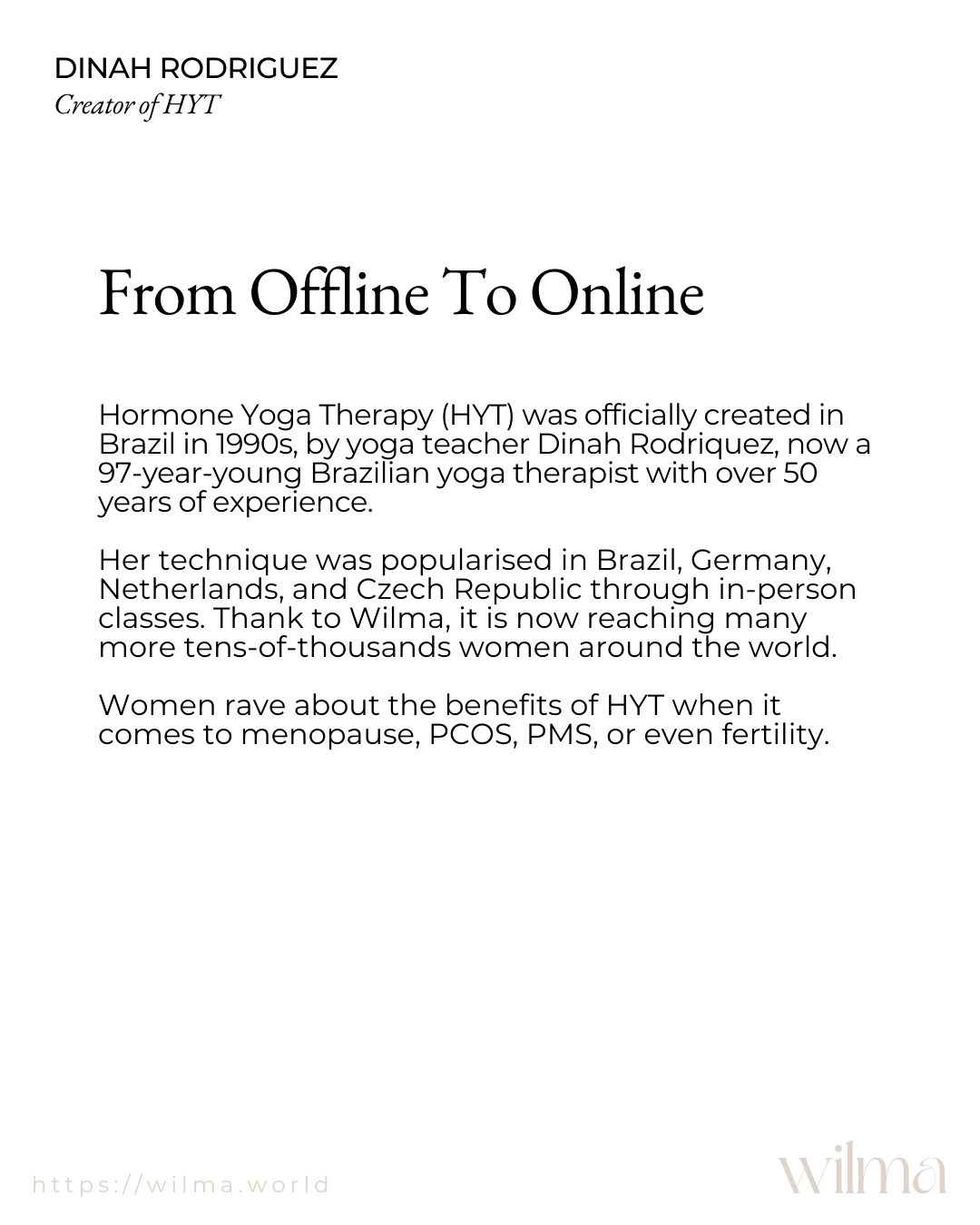
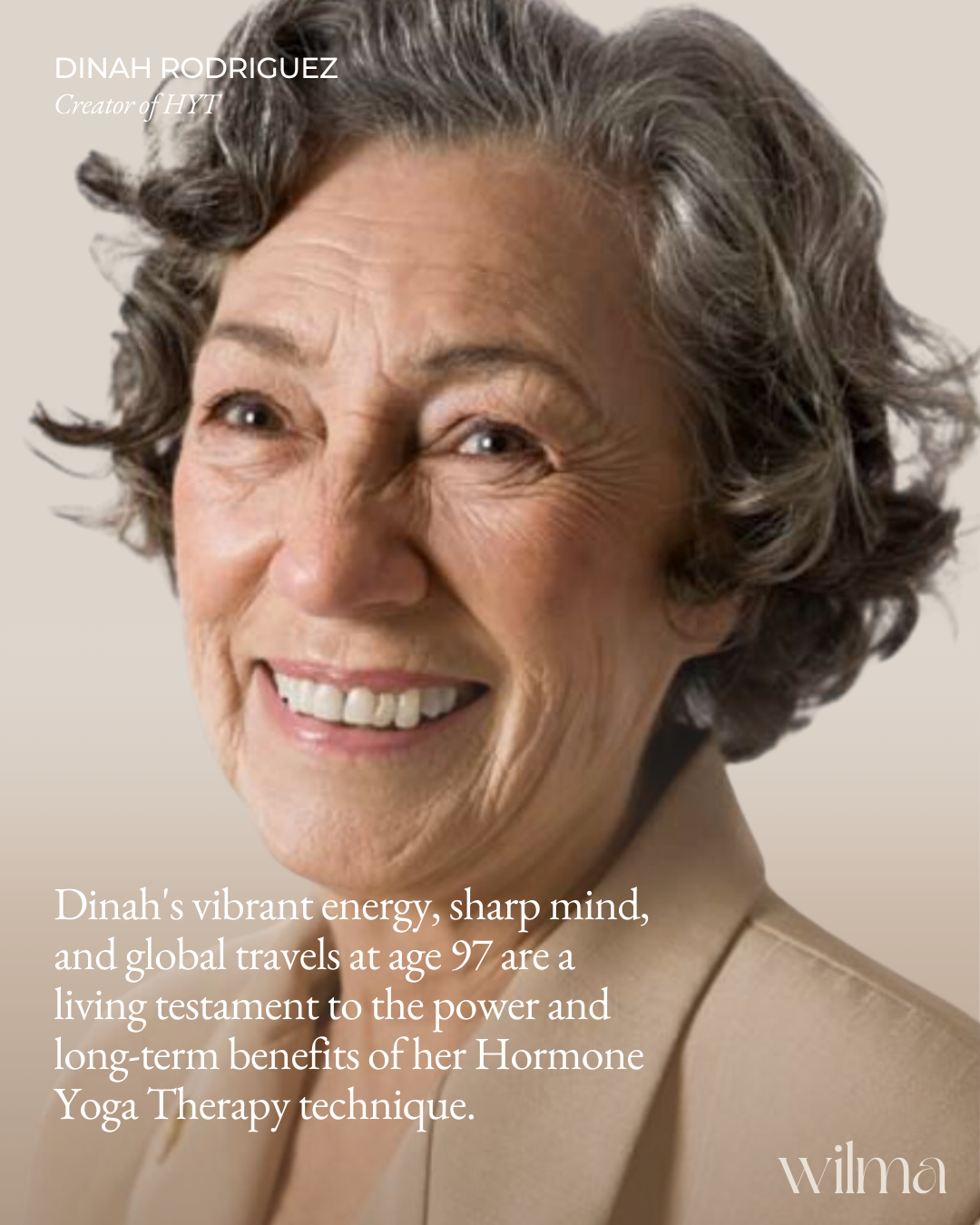
Hormone Yoga, also known as Hormone Yoga Therapy (HYT) is a practice developed by Brazilian yogini Dinah Rodrigues, who came from a family of doctors and developed the method in close partnership with her gynecologist. It's not a wellness trend, it's a structured therapeutic system built specifically to address the hormonal changes of perimenopause and menopause.
The practice combines targeted yoga postures, breathwork, and energy-directing techniques designed to stimulate the ovaries, thyroid, and adrenal glands. The result is a practice that works from the inside out.
What Symptoms Does Hormone Yoga Help With?
Women who practice Hormone Yoga most commonly report improvements in:
- Low libido - often the first symptom to shift
- Fatigue and low energy - particularly the kind that doesn't improve with rest
- Brain fog and difficulty concentrating
- Mood swings and emotional sensitivity
- Sleep disruption
- Vaginal dryness
- Acne
- Hair loss
- Hot flashes and nightsweats
- Weight management
These are among the most common, and the most disruptive symptoms of perimenopause and menopause. Hot flashes get a lot of attention, but for most women, it's the subtler symptoms that most affect quality of life.
How Hormone Yoga Works
A Hormone Yoga session takes about 30 minutes and is typically practiced 2–5 times per week. The sequence is specific: each posture and breathing technique has a purpose, directing energy and blood flow toward the endocrine glands. Over time, with consistent practice, the body's own hormone production is supported, not supplemented from outside, but encouraged from within.
No special equipment is needed. The practice is suitable for all fitness levels.
Want to Go Deeper?
If you're exploring whether Hormone Yoga is right for you, the complete Hormone Yoga guide at wilma.world/hormone-yoga-menopause covers the method in full — how it works, what to expect, and how to get started.

Copyright © 2026







Created with