
Summary
Introduction
Yoga works. That's not up for debate. Decades of research confirm that yoga reduces cortisol, improves cardiovascular markers, supports sleep quality, sharpens cognitive function, stabilizes mood, and builds both physical and emotional resilience. For women's health specifically, it's one of the most evidence-backed forms of exercise available.
But here's what most "yoga for menopause" articles won't tell you: the vast majority of yoga styles were not designed for menopause. They're excellent for flexibility, stress relief, and general wellbeing — real benefits that matter. But they don't address the specific hormonal changes driving your symptoms — the declining estrogen, the fluctuating progesterone, the elevated cortisol that's suppressing everything else.
One style does. It's called Hormone Yoga, and it was built from the ground up to stimulate the glands that produce your hormones.
This guide compares every major yoga style honestly, explains what each one actually does (and doesn't do) for menopausal symptoms, and helps you make a clear decision based on evidence, not marketing.
Why Menopause Needs a Specific Approach
What's Actually Happening in Your Body
These hormones don't just affect your reproductive system. Estrogen influences your brain (cognition, mood), your sleep architecture, your skin, your libido, your joints, and your cardiovascular system. When it fluctuates and drops, the ripple effects touch everything.
Starting in your late 30s to early 40s, your ovaries gradually produce less estrogen, progesterone, and testosterone. This doesn't happen smoothly — hormone levels fluctuate wildly before declining, which is why symptoms can come and go unpredictably.
These hormones don't just affect your reproductive system. Estrogen influences your brain (cognition, mood), your sleep architecture, your skin, your libido, your joints, and your cardiovascular system. When it fluctuates and drops, the ripple effects touch everything.
Meanwhile, stress hormones — particularly cortisol — often rise during this period. High cortisol further suppresses sex hormone production, creating a vicious cycle: declining hormones → more symptoms → more stress → even less hormone production.
Why Generic Exercise Isn't Enough
Walking, swimming, and strength training are all beneficial during menopause. But none of them address the hormonal system directly. They help with mood, weight, and bone density — important, but not the root cause of most menopausal symptoms.
What you actually need is something that:
- Directly stimulates your hormone-producing glands (ovaries, thyroid, adrenals)
- Reduces cortisol so your body can produce more sex hormones
- Activates your parasympathetic nervous system to break the stress cycle
- Is sustainable — something you'll actually do 3-5 times a week for months
Only one form of exercise was designed to do all four. But let's look at every option so you can decide for yourself.
The Yoga Styles Compared
1. Hormone Yoga — The Clear Winner for Menopause ✅
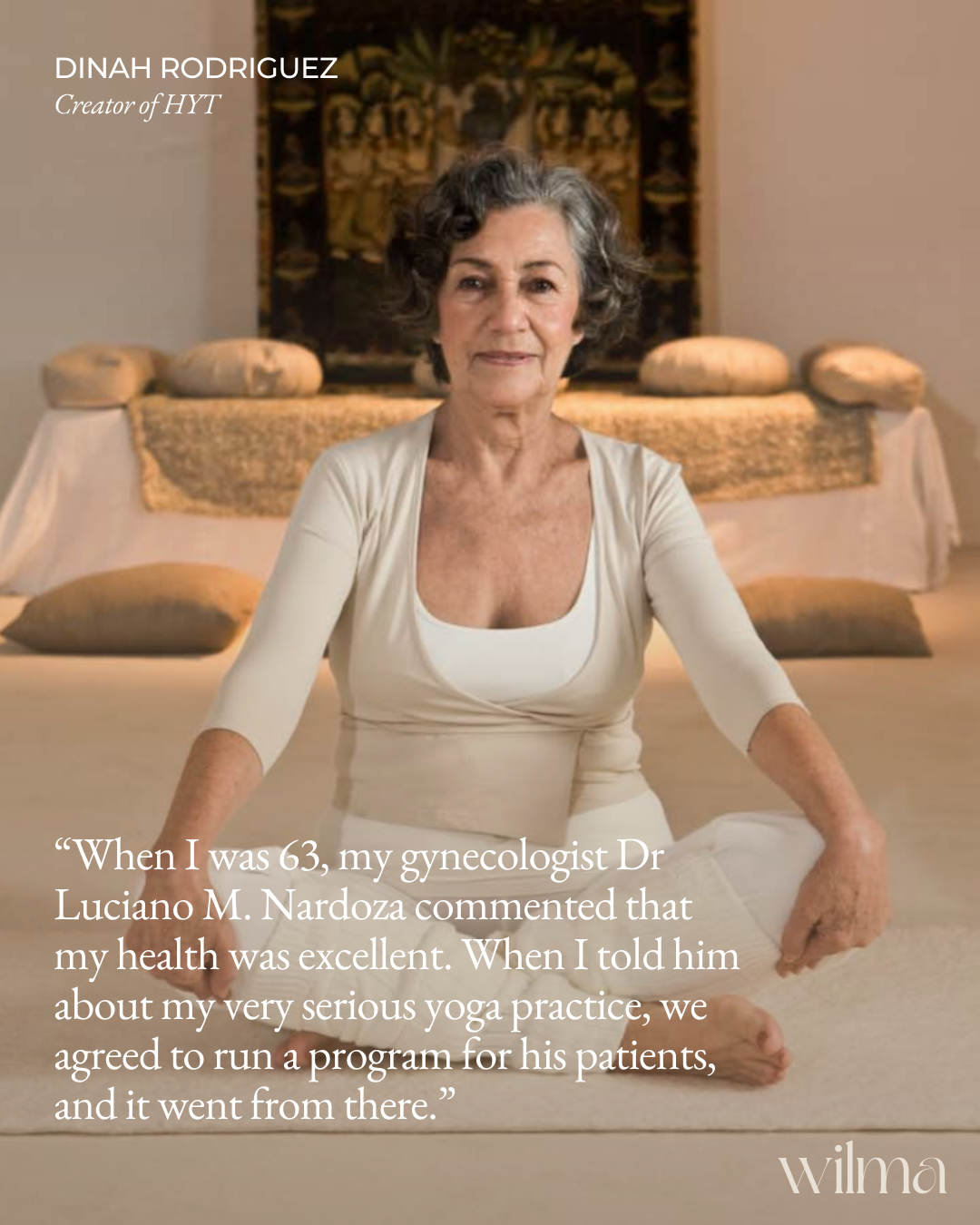
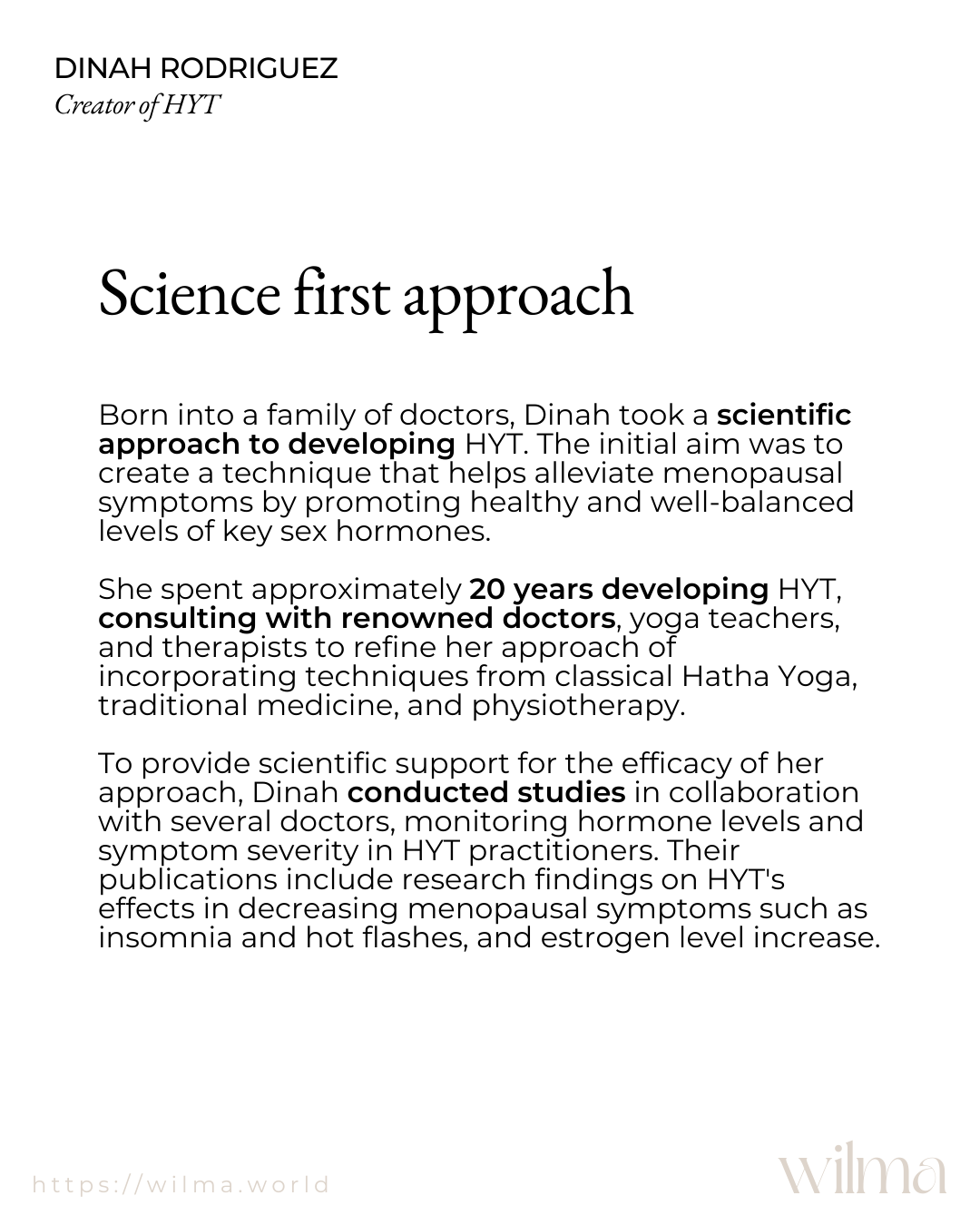
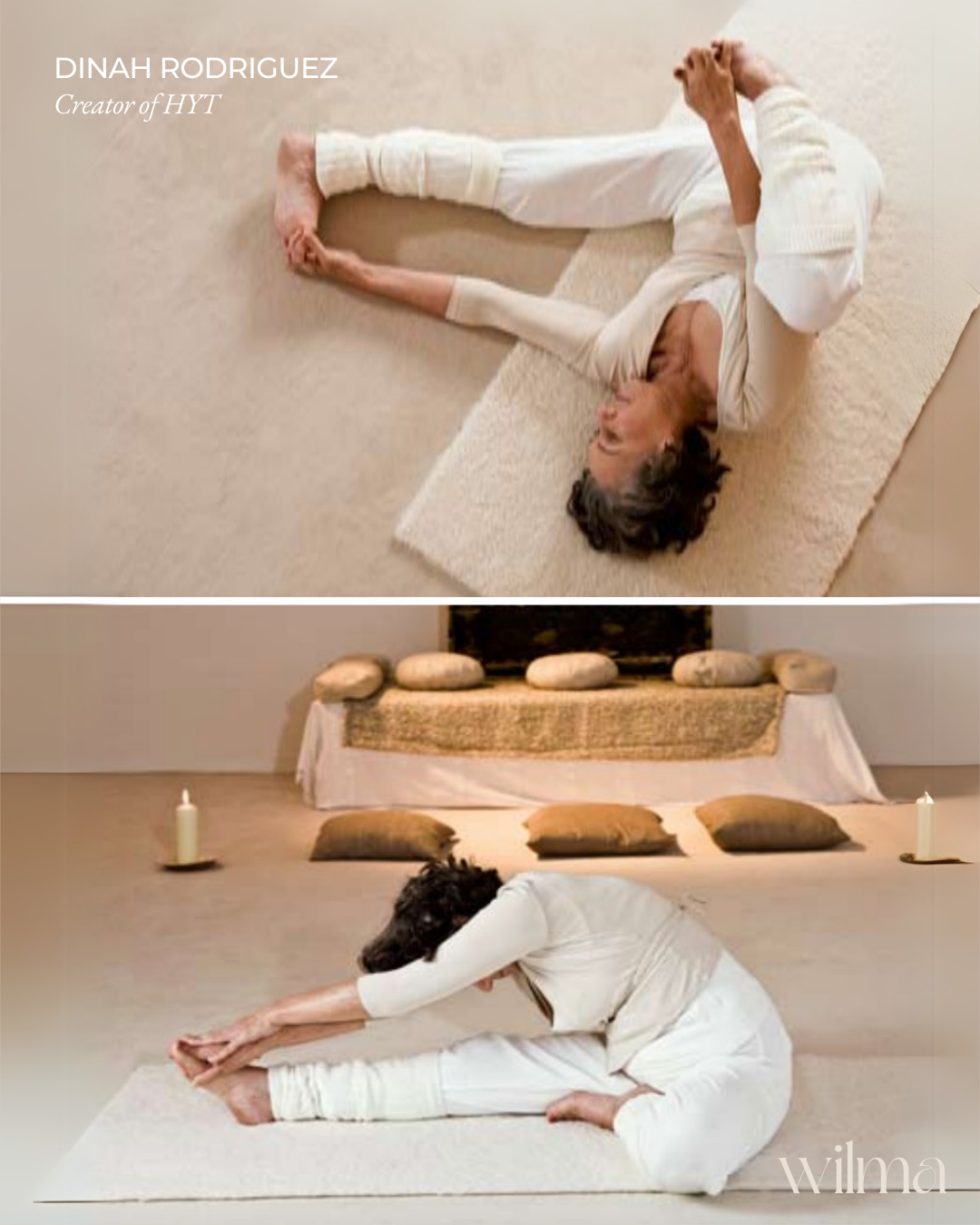
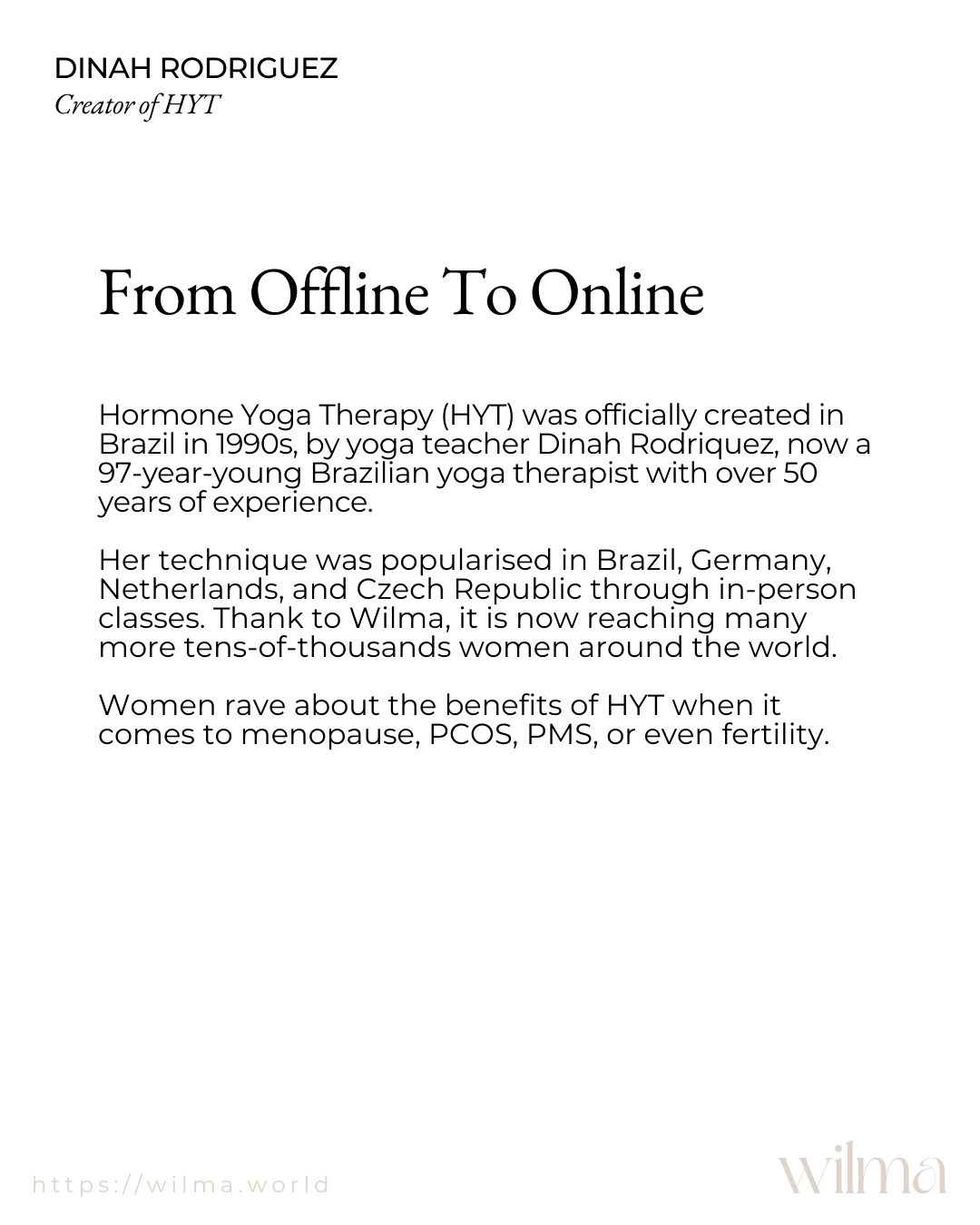
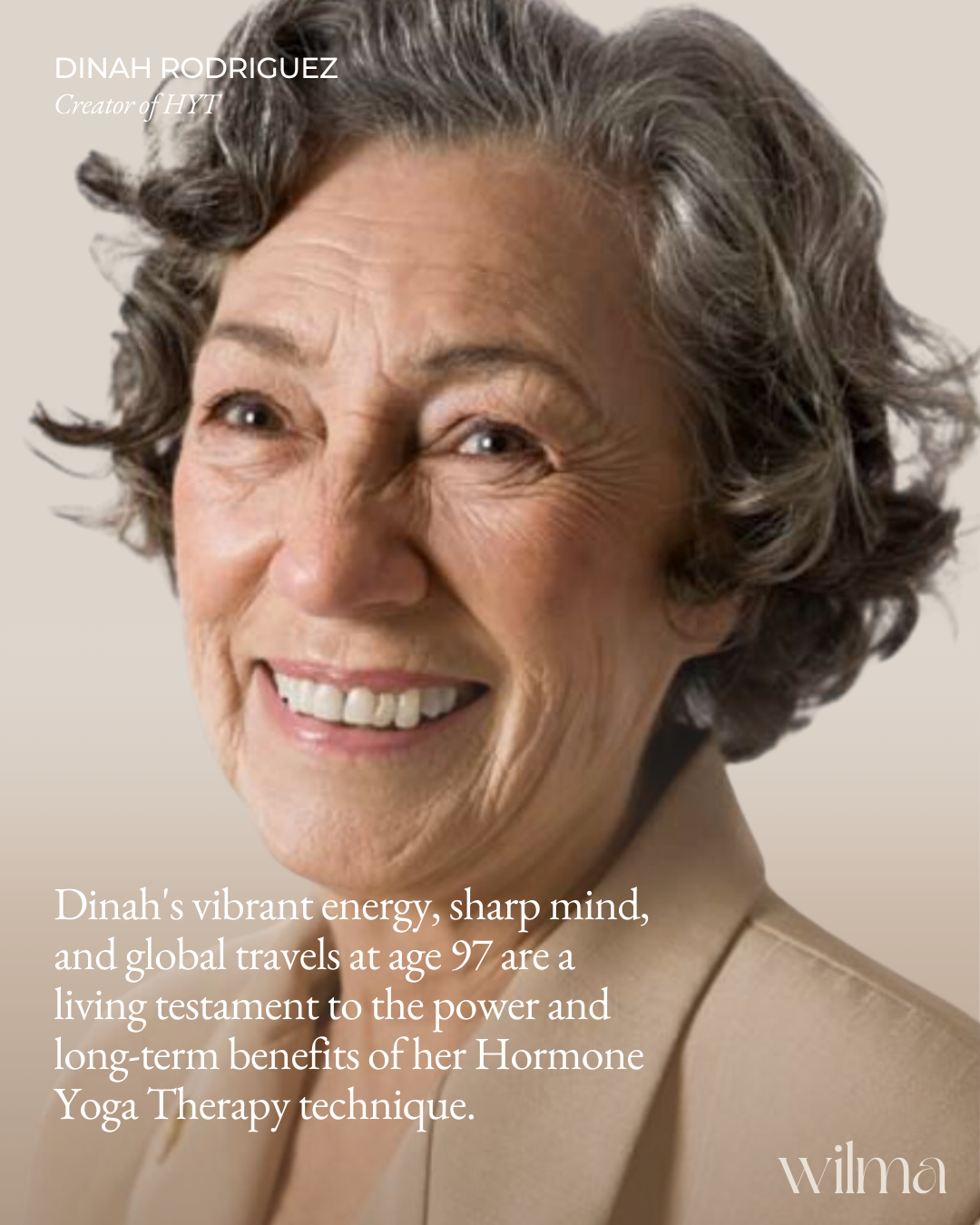
What it is: The only yoga practice specifically designed to stimulate your hormone-producing glands. It combines targeted poses, specific breathing techniques, and energy-directing work in a structured 30-minute sequence. Developed in the 1990s by Dinah Rodrigues — a yogini from a family of doctors — in partnership with her gynecologist, who evaluated the effects of the practice on his patients. It has since been practiced by thousands of women across 30+ countries for over three decades.
Why it's the best choice for menopause:
This isn't yoga-as-relaxation. Every element of the practice has a specific purpose:
- Targeted poses compress and stimulate the ovaries, thyroid, and adrenal glands — the three glands most affected by menopause
- Breathing techniques (particularly Bhastrika) increase blood flow and energy to these glands while activating the parasympathetic nervous system
- Energy-directing work (bandhas) focuses the stimulation where it's needed most
- Cortisol reduction happens naturally through the breathwork, creating better conditions for your body to produce estrogen, progesterone, and testosterone
The result: you're addressing the root cause — declining hormone production and elevated cortisol — not just managing individual symptoms.
What it helps with(based on what practitioners report):
| Symptom |
How Hormone Yoga Addresses It |
| Fatigue |
Targets adrenal glands + reduces cortisol → energy restoration |
| Brain fog |
Supports estrogen stability → improved cognitive function |
| Low libido |
Stimulates ovaries → supports estrogen + testosterone production |
| Sleep disruption |
Reduces cortisol + supports progesterone → better sleep architecture |
| Mood swings |
Stabilizes hormonal output + parasympathetic activation → emotional resilience |
| Hot flashes |
Supports estrogen production + nervous system regulation |
| Weight changes |
Cortisol reduction → less abdominal fat storage |
| Vaginal dryness |
Supports estrogen production → improved lubrication |
Practical details:
Session length: 30 minutes (half the time of most yoga classes)
Practice 2–5 times per week
Most women notice changes in 3–6 weeks
No equipment needed — carpet and pajamas is all you need
Difficulty: All fitness and yoga levels — no flexibility or yoga experience required
Difficulty: All fitness and yoga levels — no flexibility or yoga experience required
Compatible with HRT (complementary, not a replacement)
Limitations (being honest): The published research is mostly from smaller studies. Independent large-scale clinical trials are still limited — though the gynecologist-evaluated results and 30+ years of global practice provide meaningful real-world evidence. Results depend on consistent practice — sporadic sessions produce less benefit.
2. Restorative Yoga — Best Supplement for Stress
What it is: Uses props (bolsters, blankets, blocks) to fully support the body in passive poses held for up to 20 minutes. The goal is complete physical and mental surrender.
What it does well: Restorative yoga is the most effective yoga style for cortisol reduction. By placing the body in supported, safe positions long enough to trigger a genuine relaxation response, it directly calms the stress system. Excellent for sleep and anxiety.
What it doesn't do: It has no mechanism for stimulating hormone production. It helps you rest and destress — genuinely valuable — but it doesn't address the hormonal root cause of your symptoms.
Best as: A complement to Hormone Yoga. Practice Hormone Yoga 3-4x/week for hormonal support, add Restorative 1x/week for deep recovery.
Session length: 60–90 min | Difficulty: Most accessible of all styles.
3. Yin Yoga — Good for Joints and Anxiety
What it is: Long passive holds (3–5 minutes per pose) targeting connective tissue. Deeply meditative and calming.
What it does well: Deep relaxation, joint health (important as estrogen-related joint stiffness increases), anxiety reduction. The extended holds create a profound calming effect.
What it doesn't do: No hormonal stimulation. Won't help with fatigue, libido, or weight. It's relaxing, but relaxation alone doesn't rebalance your hormones.
Best as: An evening complement to Hormone Yoga — great for winding down before bed.
Session length: 60–75 min | Difficulty: All levels
4. Hatha Yoga — A Solid Foundation, Not a Solution
What it is: The foundational style of most modern yoga. Slower-paced, holding postures for several breaths, focused on alignment and breathing.
What it does well: Stress relief, flexibility, gentle strengthening, breath awareness. A good entry point for women who've never done yoga.
What it doesn't do: Nothing specific for hormonal symptoms. If your concerns are libido, fatigue, or hormonal imbalance, Hatha alone won't move the needle. It's general-purpose wellness — which is fine, but it's not targeted.
Best as: A starting point if you're brand new to yoga, before transitioning to Hormone Yoga.
Session length: 60 min | Difficulty: Beginner-friendly
5. Vinyasa / Flow — Energy Boost, But Watch the Intensity
What it is: Flowing sequences connecting breath to movement. More physically demanding. Ranges from gentle flows to intense cardio-like workouts.
What it does well: Mood (endorphins), energy, cardiovascular fitness, weight management. Feels like a workout within a yoga framework.
The menopause catch: Intense Vinyasa can spike cortisol. If you're already in a high-stress state — and most women in perimenopause are — a vigorous class may worsen symptoms rather than improve them. Hot flashes can be triggered by the exertion.
Best as: A moderate-intensity supplement for mood and energy, not a primary menopause practice. Keep it gentle to moderate.
Session length: 45–60 min | Difficulty: Varies widely
6. Kundalini Yoga — Some Overlap, Less Targeted
What it is: Combines dynamic movement, breath techniques, chanting, and meditation in structured sequences. Has some endocrine-supporting elements, particularly Breath of Fire.
What it does well: Energy, mental clarity, stress resilience, spiritual wellbeing. Some kriyas are designed for the endocrine system, creating meaningful overlap with Hormone Yoga's goals.
How it compares to Hormone Yoga: Kundalini has hormonal elements, but they're not the primary design goal. Hormone Yoga was built specifically for hormonal balance; Kundalini touches on it as part of a broader practice. If you're drawn to the spiritual dimension, Kundalini is beautiful. If you want the most direct path to hormonal support, Hormone Yoga is more targeted.
Session length: 45–60 min | Difficulty: Beginner (some kriyas are demanding)
7. Hot Yoga / Bikram — Not Recommended ⚠️
What it is: Yoga practiced in rooms heated to 37–41°C (98–106°F).
Why to avoid it during menopause: The external heat is very likely to trigger or worsen hot flashes and night sweats. Dehydration risk is elevated. Your body's thermoregulation is already compromised by declining estrogen — adding external heat makes this worse. Most menopause specialists recommend avoiding heated yoga during symptomatic periods.
Session length: 60–90 min | Difficulty: Intermediate+
8. Chair Yoga — Accessible Entry Point
What it is: Traditional yoga adapted for practice seated in or beside a chair.
What it does well: Makes yoga accessible for women with mobility limitations, joint pain, or balance concerns.
What it doesn't do: Limited cardiovascular benefit, no hormonal mechanism. An entry point, not a solution.
Best as: A stepping stone for women who need gentler movement before progressing to Hormone Yoga or Hatha.
Session length: 30–45 min | Difficulty: Most accessible
Getting Started Safely
Consult your healthcare provider before beginning any new exercise program, particularly if you have cardiovascular conditions, osteoporosis, or are on medication.
Start with Hormone Yoga if your main concerns are hormonal (libido, fatigue, brain fog, sleep, hot flashes). It's designed for all fitness levels — you don't need to be flexible or have yoga experience.
Contraindications for Hormone Yoga:
- Hormone-dependent cancers (breast, ovarian, endometrial) — the practice stimulates hormone production
- Pregnancy
- Hyperthyroidism (overactive thyroid)
- Advanced endometriosis — consult your specialist
- Very recent surgery — wait until cleared
Hormone Yoga + HRT: Yes, they work together. HRT replaces hormones externally; Hormone Yoga supports your body's own production. Many women find the combination more effective than either alone. Inform your doctor.
Frequently Asked Questions
What is the best type of yoga for menopause?
Hormone Yoga is the most effective type of yoga for menopause because it is the only style specifically designed to stimulate the hormone-producing glands — the ovaries, thyroid, and adrenal glands. While other styles like Restorative and Yin are good for stress relief, they don't address the hormonal root cause of menopausal symptoms. Most women see noticeable improvements in energy, sleep, and mood within 3–6 weeks of regular Hormone Yoga practice.
Can yoga help with menopause symptoms?
Yes — but the type of yoga matters significantly. General yoga styles help with stress, flexibility, and mood. Only Hormone Yoga is designed to address hormonal symptoms directly. For the best results, practice Hormone Yoga 3–5 times per week, optionally supplemented with Yin or Restorative yoga for additional stress relief.
What is Hormone Yoga?
Hormone Yoga is a specific practice — not a general yoga style — designed to stimulate the ovaries, thyroid, and adrenal glands through targeted postures, breathing techniques, and energy work. It was developed in the 1990s by yogini Dinah Rodrigues in partnership with her gynecologist, who evaluated the technique's effects on patients. Practiced worldwide for over 30 years, sessions are 30 minutes, 2–5 times per week, and most women notice results within 3–6 weeks.
How often should I do yoga for menopause?
For Hormone Yoga, practice 2–5 times per week for best results. Consistency matters more than frequency — three sessions per week sustained over months will outperform an intense week followed by nothing. Add Yin or Restorative 1–2 times per week for additional relaxation.
Is yoga better than HRT for menopause?
They're different tools. HRT directly replaces declining hormones; Hormone Yoga supports your body's own hormone production and reduces cortisol. They are complementary, not competing. Some women use both; others prefer one or the other depending on their situation and preferences. Discuss your options with your doctor.
Can I do yoga alongside HRT?
Yes. Hormone Yoga and HRT work on different mechanisms and can be safely combined. If you're practicing Hormone Yoga, mention it to your prescribing doctor so they can factor it into your hormone level monitoring.
Is hot yoga good for menopause?
No. The heated environment (37–41°C) is very likely to trigger hot flashes and increases dehydration risk. Most menopause specialists recommend avoiding hot yoga during symptomatic periods. Choose a non-heated practice instead.
How long before yoga helps menopause symptoms?
With Hormone Yoga practiced 3+ times per week, most women notice improved energy, sleep, and mood within 3–6 weeks. Libido and hot flash improvements typically follow over 6–12 weeks. Restorative and Yin yoga can improve stress and sleep quality within the first few sessions.
Do I need to be flexible to start yoga for menopause?
No. Hormone Yoga is designed for all fitness levels. You don't need flexibility, strength, or prior yoga experience. All you need is a carpet and 30 minutes.
What's the difference between Hormone Yoga and regular yoga?
Regular yoga improves flexibility, strength, and general stress. Hormone Yoga does something fundamentally different: it targets your hormone-producing glands through a specific sequence of poses, breathing, and energy work. No regular yoga class replicates this. It's the difference between a general workout and a targeted treatment.
Ready to Try Hormone Yoga?
If you want to start the most effective yoga practice for menopause, Wilma offers a self-paced 12-session online program based on the Dinah Rodrigues method. All fitness levels welcome. 30 minutes per session. Access from any device.

Copyright © 2025



Created with