
Summary
Why Are Hormone Changes Impacting Intimacy?
Estrogen is essential for keeping skin hydrated, elastic, and firm by supporting collagen and elastin production. As estrogen declines with age, wrinkles appear, skin becomes thinner and drier, and firmness decreases—not only on the face but throughout the body, including the vaginal lining. This makes the vaginal area more prone to dryness, discomfort, and infection.
Estrogen also supports the density and sensitivity of nerve endings. When estrogen drops, the number of nerve endings in the vaginal and vulvar area decreases, making sensations less intense, arousal slower, and orgasms harder to reach.
Testosterone isn’t just a “male hormone”—women produce and need it too. It supports mood, energy, mental clarity, and libido. When testosterone levels fall, you may feel more tired, less motivated, and less interested in sex.
The balance between testosterone and estrogen is also important. If testosterone becomes dominant—either due to a steep estrogen decline or testosterone supplementation without enough estrogen—it can sometimes worsen vaginal dryness and discomfort.
Estrogen also supports the density and sensitivity of nerve endings. When estrogen drops, the number of nerve endings in the vaginal and vulvar area decreases, making sensations less intense, arousal slower, and orgasms harder to reach.
Testosterone isn’t just a “male hormone”—women produce and need it too. It supports mood, energy, mental clarity, and libido. When testosterone levels fall, you may feel more tired, less motivated, and less interested in sex.
The balance between testosterone and estrogen is also important. If testosterone becomes dominant—either due to a steep estrogen decline or testosterone supplementation without enough estrogen—it can sometimes worsen vaginal dryness and discomfort.
Progesterone is known as the “calming hormone.” It helps us feel relaxed, safe, and sleep well. When progesterone declines during perimenopause, you might feel more stressed, anxious, irritable, sad, or tired. These feelings make it harder for your body to get into a “sexy mood” or feel emotionally close to your partner, making intimacy less appealing and more challenging.
On a physiological level, stress causes cortisol spikes, which send signals throughout the body that we may be in danger, and that it’s not a good time to reproduce, which means no need to produce Estrogen and Progesterone, so ovaries slow down the production further.
Where Are These Hormones Produced?
All three hormones are primarily produced by the ovaries and adrenal glands.
When ovarian function declines, the body can produce other types of estrogen in fat tissue (adipose) to help maintain estrogen levels, which often leads to weight gain during this period.
While this can be seen as a protective mechanism, the added weight can sometimes cause insecurity and reduce self-confidence, which may further affect intimacy.
While this can be seen as a protective mechanism, the added weight can sometimes cause insecurity and reduce self-confidence, which may further affect intimacy.
What Can You Do?
The most effective natural ways are:
- Massage the ovaries and adrenal glands to encourage natural hormone production with special belly breathing technique
- Activate the pelvic floor to increase blood flow to the pelvic area with pelvic floor activation exercises
- Stimulate the vagus nerve to calm the nervous system and reduce stress with slow breathing and relaxing visualizations
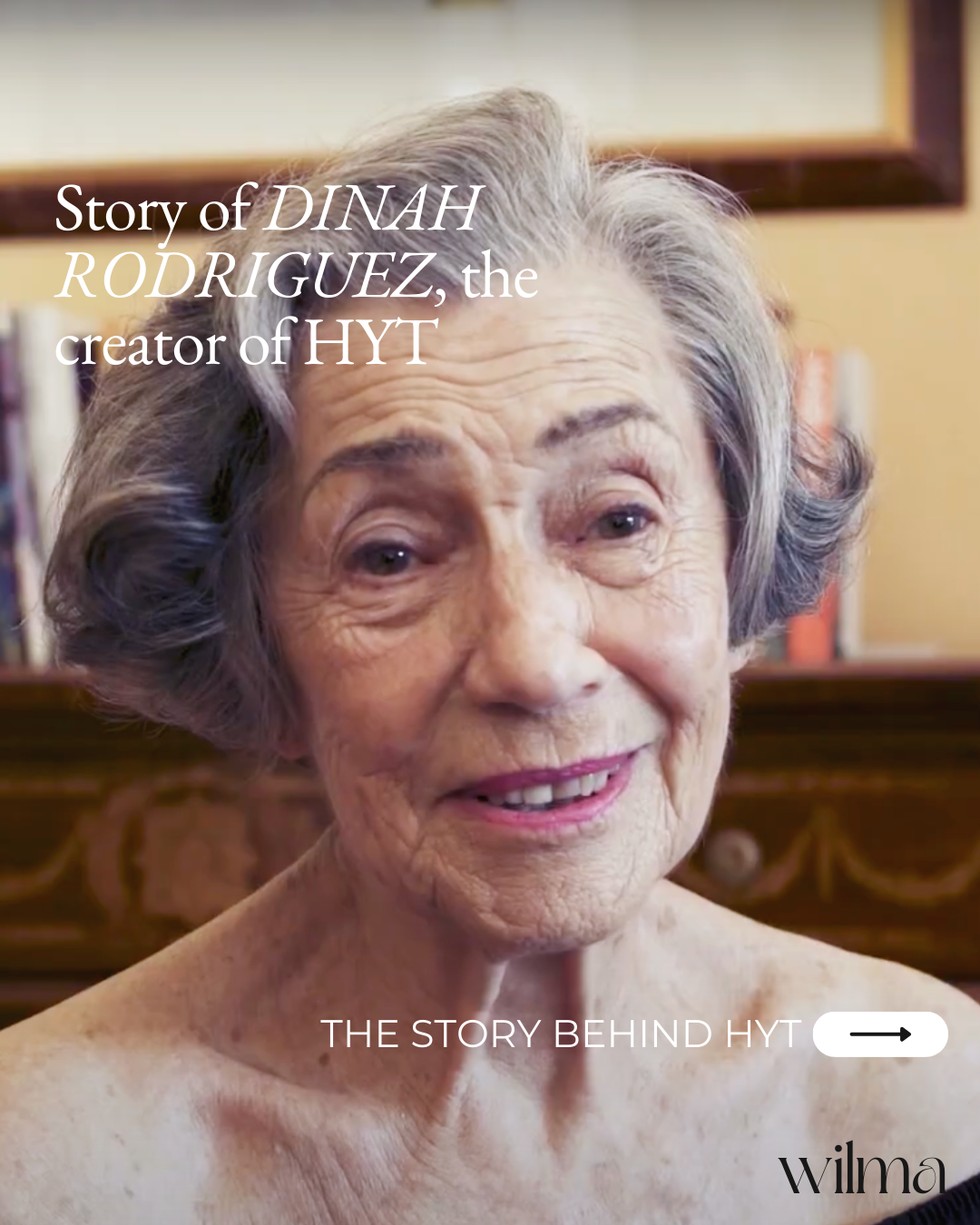
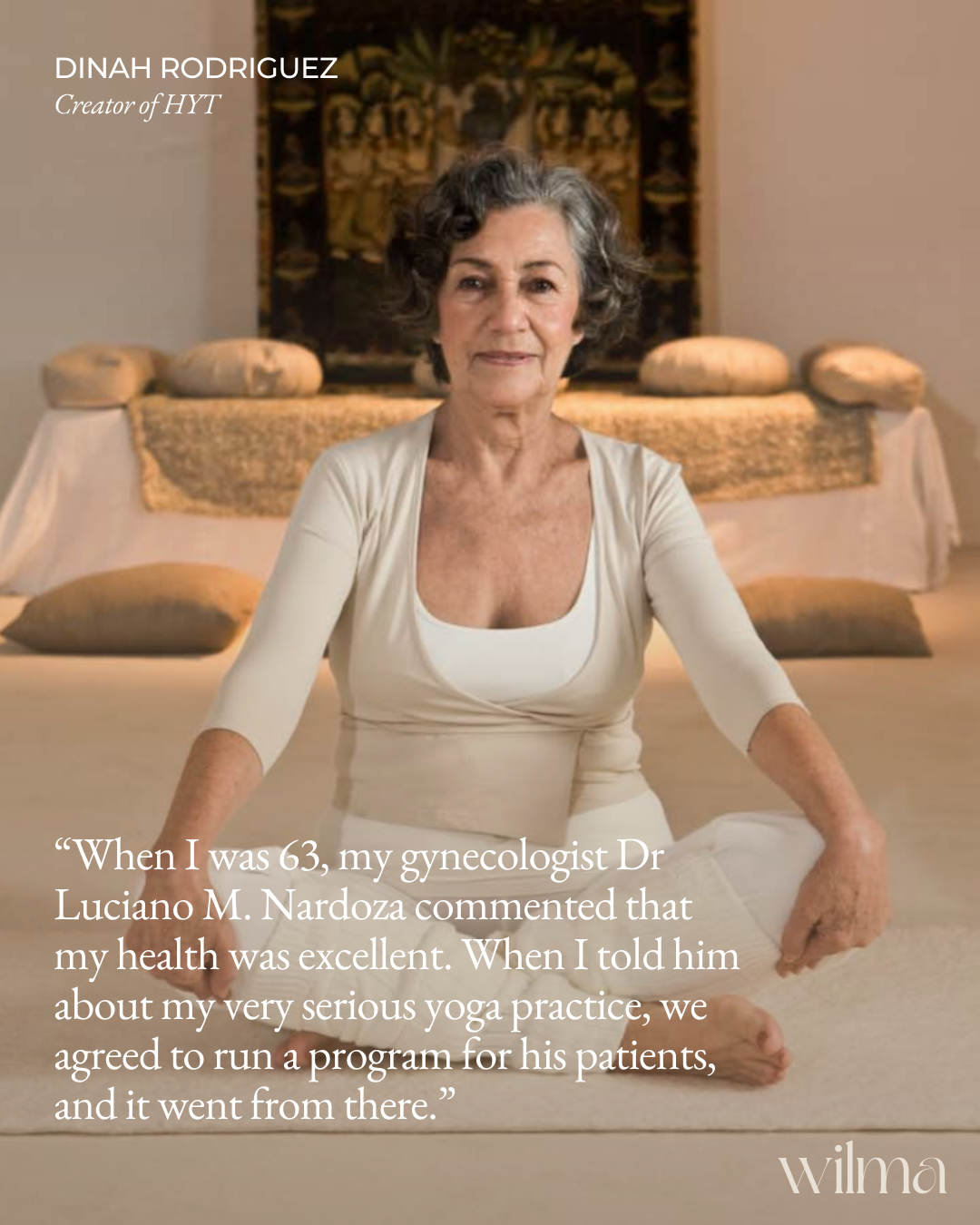
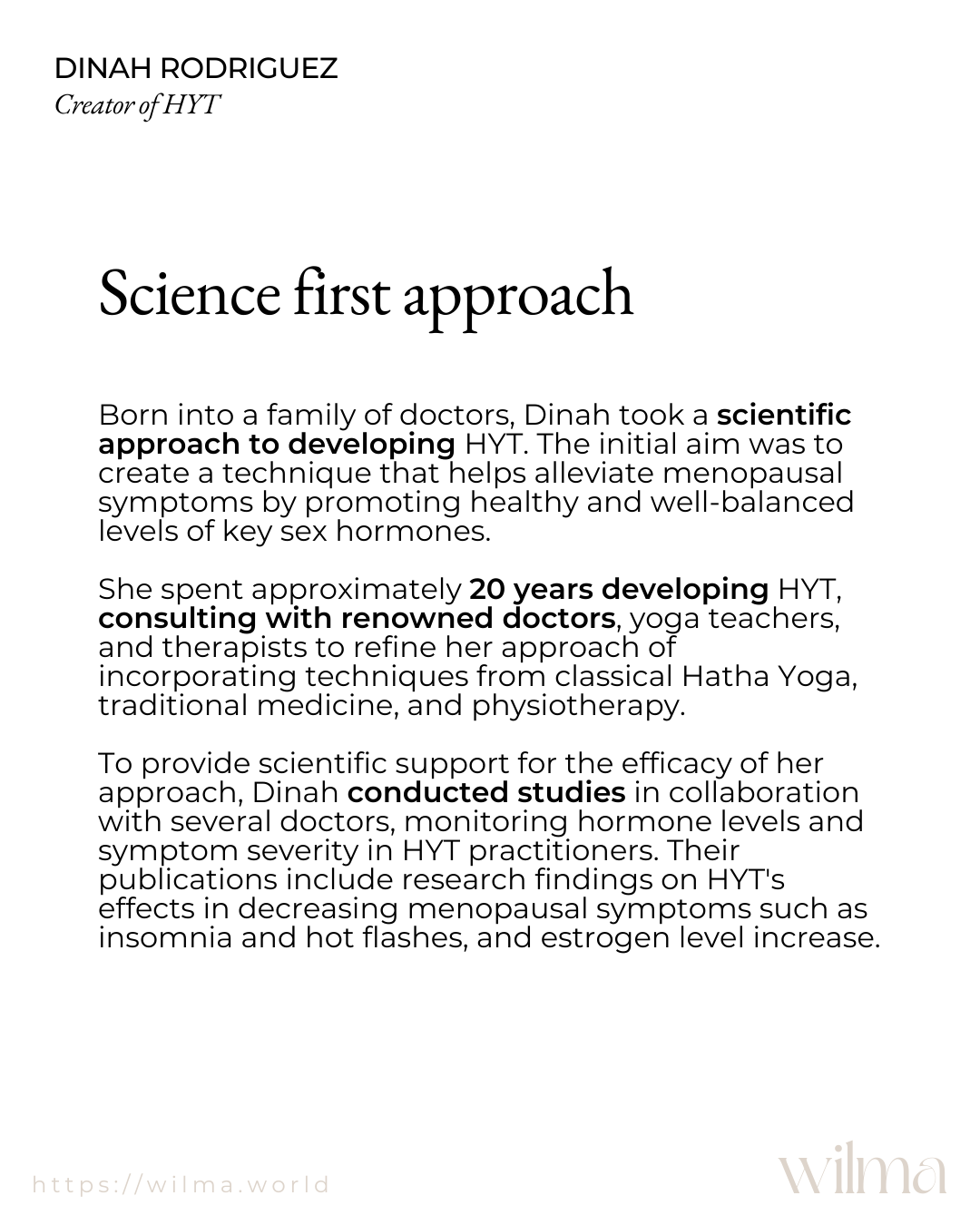
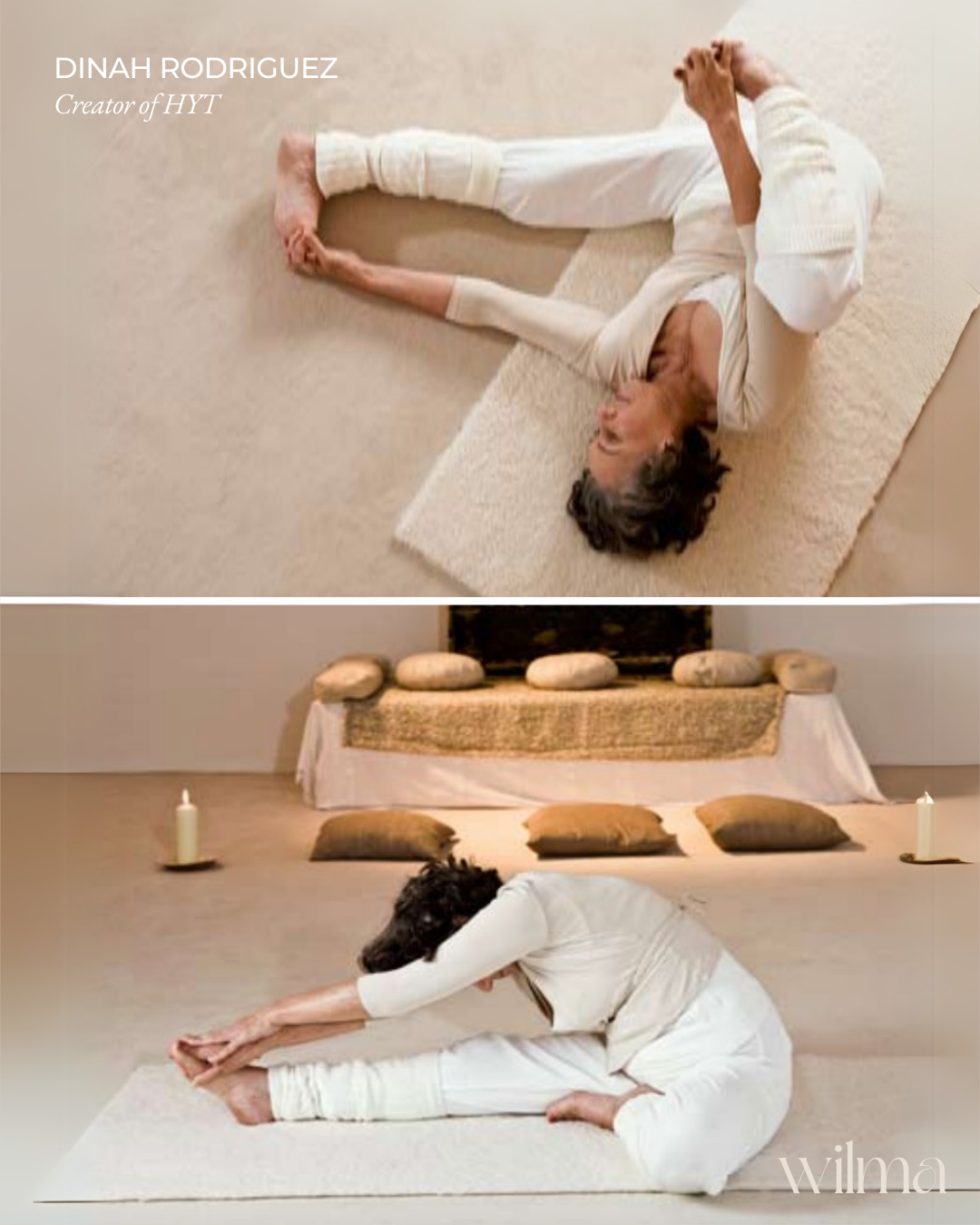
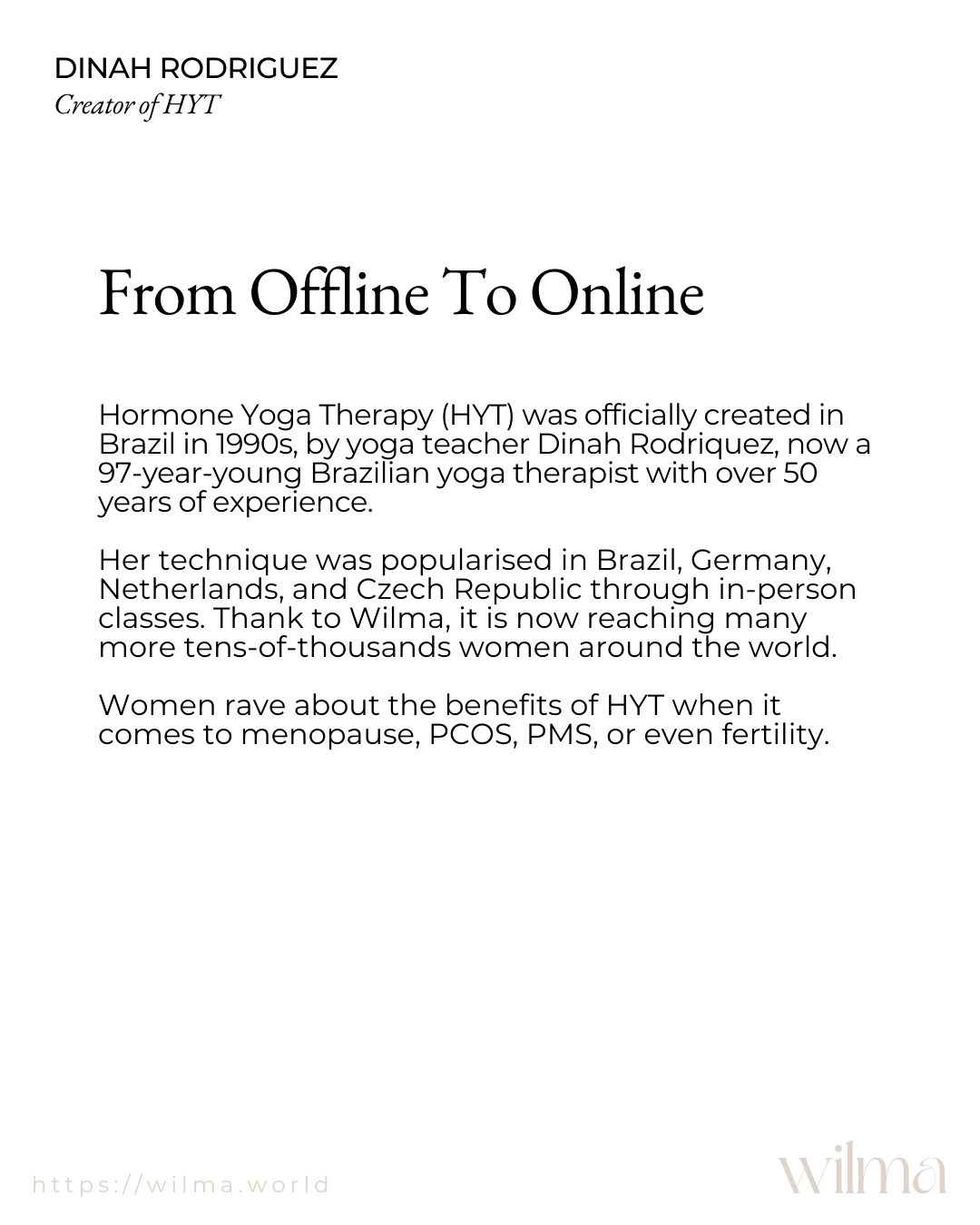
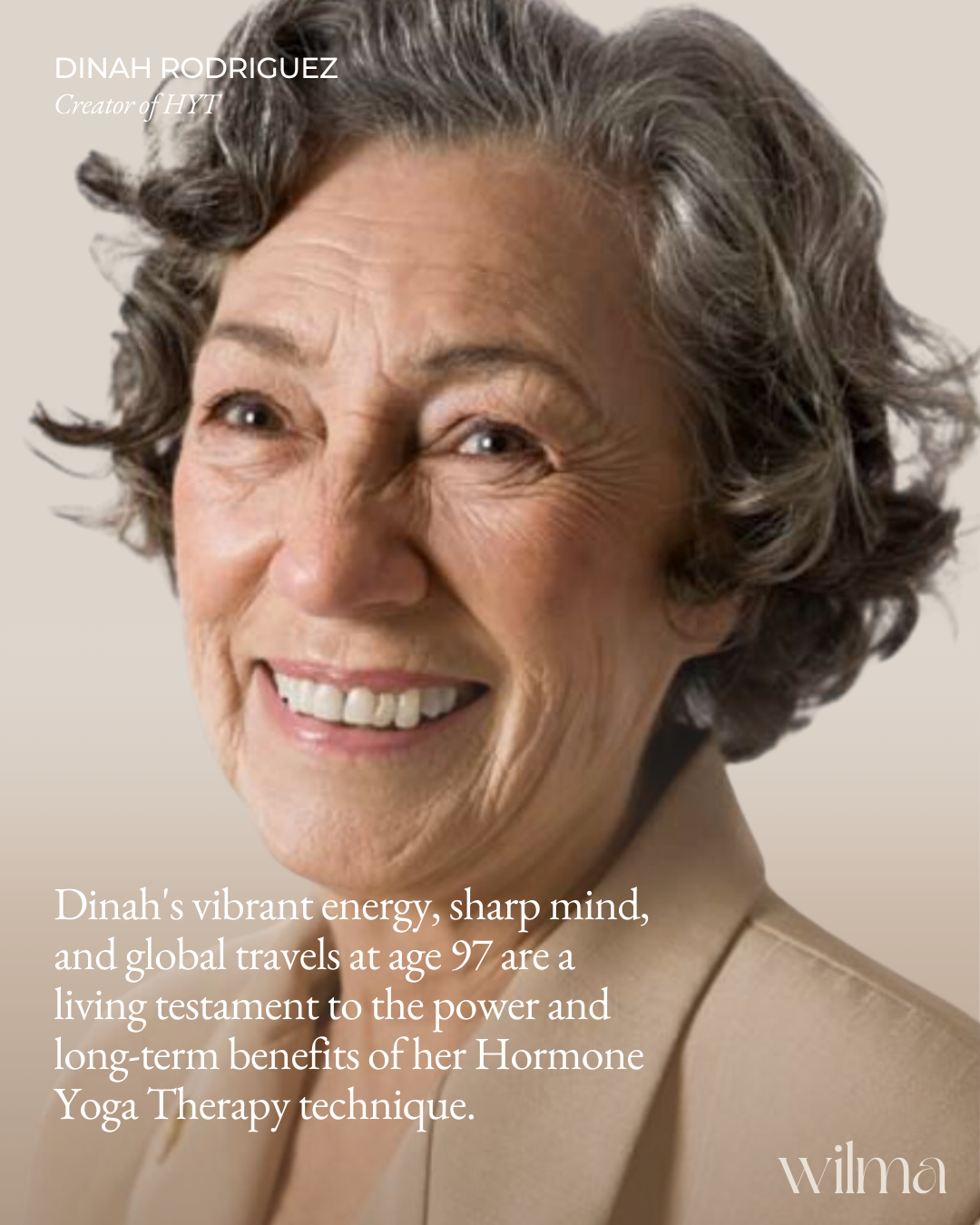
These techniques are combined in a 30-minute yoga routine called Hormone Yoga, developed by yogini Dinah Rodrigues in partnership with her gynecologist and researchers.
Practitioners report that with regular practice, hormone production can increase significantly, often reducing symptoms like vaginal dryness, low libido, mood swings, and sleep problems within weeks or even days.
How much does it cost to learn Hormone Yoga?
Options range widely. In-person workshops with certified teachers typically cost $200-500 for a weekend. Ongoing private classes run $30-50 per session. The original Dinah Rodrigues training is approximately €360/year. Online self-paced programs like Wilma offer a video course with 12-session program that guides you through starting at $36 (no subscription), making it the most accessible way to learn the complete practice.

Copyright © 2026



Created with