
Summary
Complete Guide
Who Created Hormone Yoga Therapy?
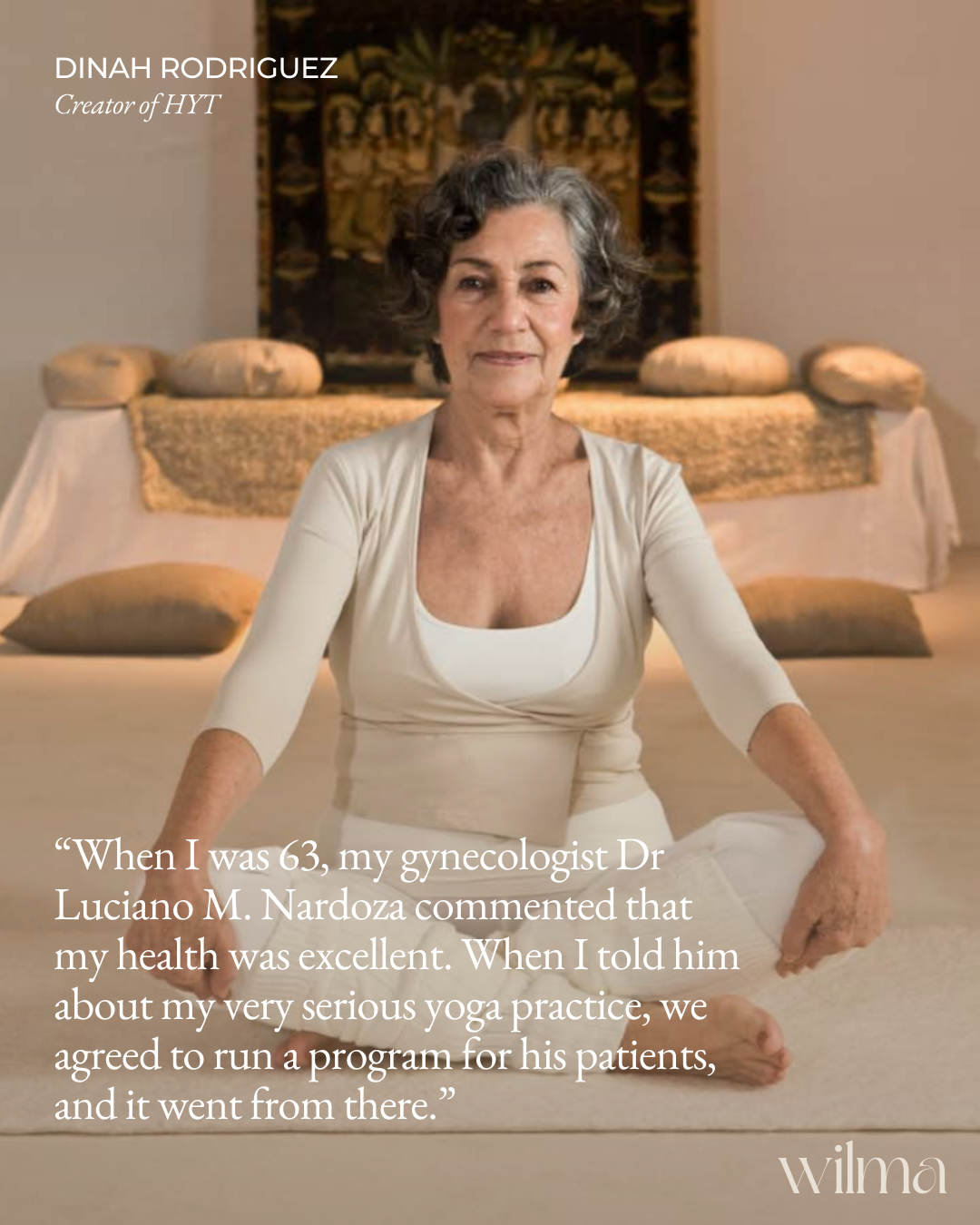
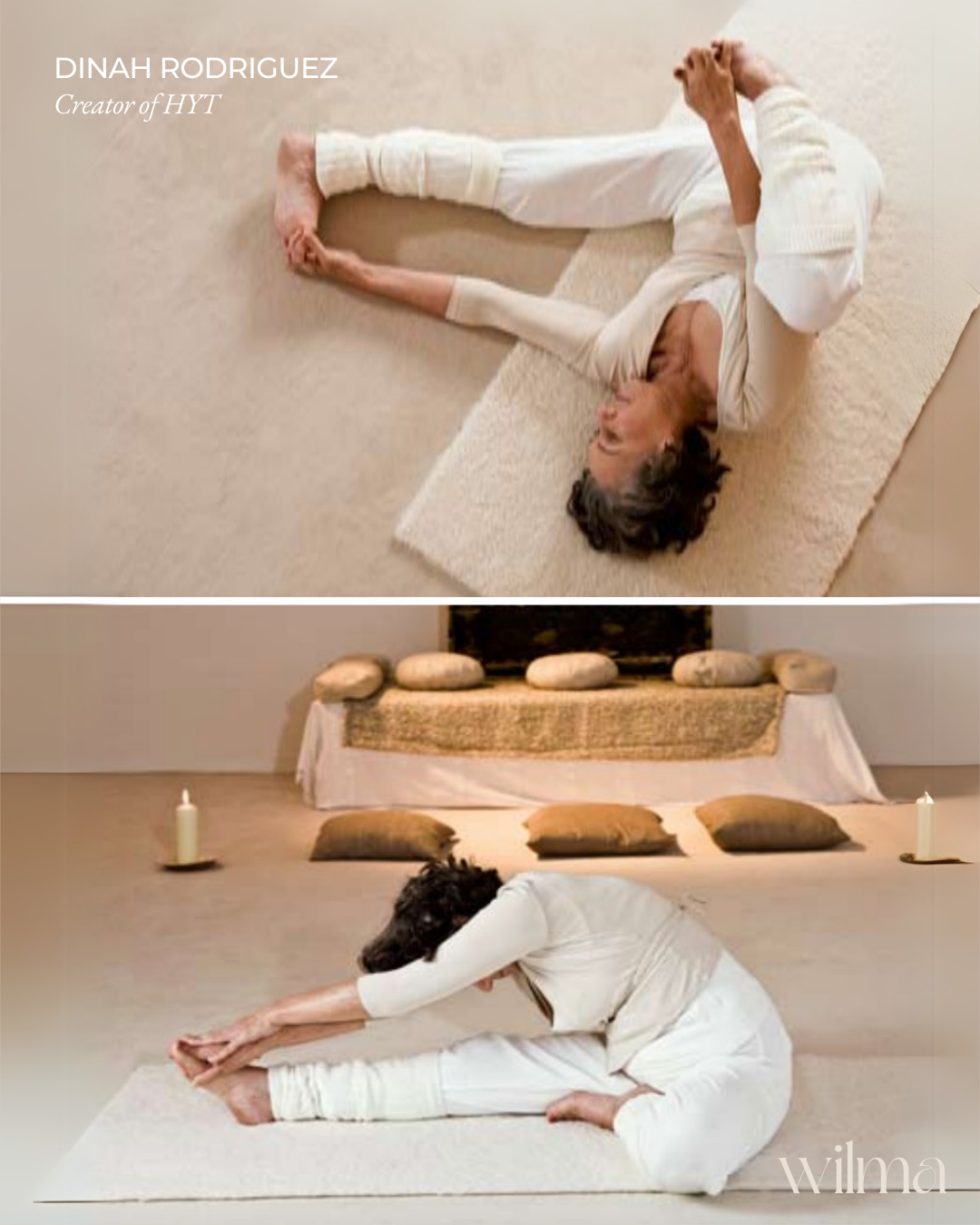
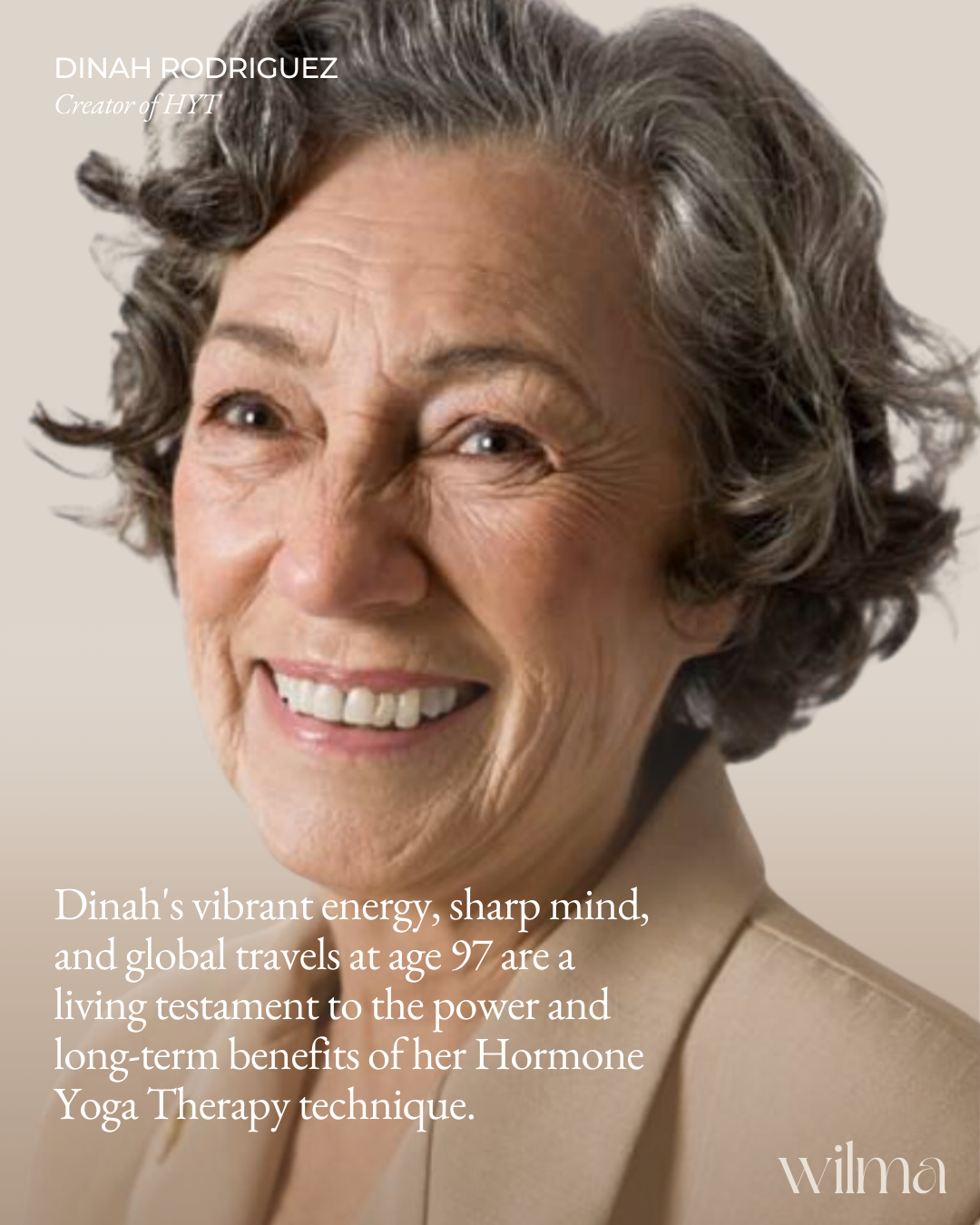
Dinah Rodrigues is a Brazilian yogini, now in her late 90s, who came from a family of doctors. She developed Hormone Yoga Therapy in collaboration with her gynecologist, who monitored the hormonal effects of different yoga techniques on patients.
The method wasn't invented overnight. It was refined over decades — testing which postures, breathing patterns, and energy techniques produced measurable hormonal changes. The result is a specific, repeatable 30-minute routine where every element serves a physiological purpose.
In countries like Brazil, Germany, the Netherlands, Czechia, and Slovakia, Hormone Yoga Therapy has been practiced for over three decades and is recognized by gynecologists. In some regions, doctors actively recommend it to patients as a complementary approach to hormonal health.
How Is Hormone Yoga Therapy Different from Regular Yoga?
This is the most important distinction to understand. General yoga — whether hatha, vinyasa, restorative, or yin — was designed for overall wellbeing: flexibility, strength, stress reduction, mindfulness. It activates your parasympathetic nervous system and lowers cortisol. That's genuinely valuable.
But general yoga was not designed to target specific glands. It doesn't direct blood flow to the ovaries. It doesn't create rhythmic pressure on the thyroid. It doesn't systematically stimulate the endocrine system.
Hormone Yoga Therapy does. Every posture, every breath, every visualization in the routine has a specific target:
| General Yoga | Hormone Yoga Therapy | |
| Reduces stress and cortisol | ✓ | ✓ |
| Improves flexibility and strength | ✓ | Partial |
| Stimulates the ovaries | ✗ | ✓ |
| Targets the thyroid gland | ✗ | ✓ |
| Supports adrenal function | ✗ | ✓ |
| Designed for hormonal conditions | ✗ | ✓ |
Think of it this way: general yoga helps manage the downstream effects of hormonal changes (stress, anxiety, poor sleep). Hormone Yoga Therapy addresses the upstream cause — the glands that produce the hormones in the first place.
How Does Hormone Yoga Therapy Work?
The practice uses four integrated techniques in every session. They work together — you don't pick and choose between them.
1. Belly Breathing Techniques (Abdominal Massage)
Specific breathing patterns create rhythmic pressure changes in the abdomen and pelvis. This physically massages the ovaries and adrenal glands, increasing blood flow to these organs.
Why it works: increased blood flow delivers more oxygen and nutrients to the glands while removing metabolic waste. Better circulation supports the gland's ability to produce hormones. The same principle applies to any organ — better blood supply means better function.
2. Pelvic Floor Activation
Targeted exercises engage the pelvic floor muscles, increasing blood flow specifically to the pelvic area where the ovaries are located. This supports ovarian function and directly improves vaginal tissue health — addressing dryness, sensitivity, and sexual function.
Why it works: The pelvic floor weakens naturally as estrogen declines. Actively engaging it helps maintain both function and sensation — something no supplement or medication directly addresses.
3. Vagus Nerve Stimulation
The vagus nerve is the longest nerve in your body, running from your brain past your thyroid to your abdomen. It controls the parasympathetic nervous system — your body's signal that it's safe to rest, repair, and reproduce.
Why it works: Hormone Yoga uses slow breathing and guided visualizations to activate the vagus nerve. This:
- Reduces cortisol production — breaking the stress cycle that suppresses hormone production
- Signals the ovaries that it's safe to produce hormones — cortisol tells them to shut down; vagus nerve activation tells them it's okay
- Improves thyroid communication — the vagus nerve runs directly past the thyroid, and its activation supports the brain-thyroid signaling pathway
4. Energy-Directing Visualizations
During specific postures, you're guided to direct your awareness and breath toward the gland being targeted — the ovaries, thyroid, or adrenal glands. This technique is called "Circulation of Energy" in the Dinah Rodrigues method.
Why it works: This isn't just mindfulness. Research in psychoneuroimmunology — the science of how mental focus affects physical function — shows that directed attention measurably increases blood flow and nerve activation in the targeted area. Combined with the breathing techniques, it concentrates the physiological effects exactly where they're needed. It's the difference between a general workout and a targeted therapy.
Why it works: This isn't just mindfulness. Research in psychoneuroimmunology — the science of how mental focus affects physical function — shows that directed attention measurably increases blood flow and nerve activation in the targeted area. Combined with the breathing techniques, it concentrates the physiological effects exactly where they're needed. It's the difference between a general workout and a targeted therapy.
What Conditions Does Hormone Yoga Therapy Help?
Perimenopause and Menopause
This is the most common use case. As ovarian function naturally declines from around age 35, symptoms like low libido, fatigue, brain fog, vaginal dryness, hot flashes, mood swings, and sleep disruption emerge. HYT supports remaining ovarian function and breaks the cortisol feedback loop that accelerates hormonal decline.
Most women report improvements within 3-6 weeks of consistent practice.
PCOS (Polycystic Ovary Syndrome)
PCOS involves hormonal irregularity — often elevated androgens, insulin resistance, and irregular ovulation. By supporting ovarian balance and reducing cortisol (which influences both androgen levels and insulin sensitivity), HYT addresses multiple drivers of PCOS simultaneously.
Hypothyroidism (Underactive Thyroid)
The thyroid is one of the three glands directly targeted by HYT. Throat-area postures increase blood flow to the thyroid, while vagus nerve stimulation improves the brain-thyroid communication pathway. HYT is used alongside thyroid medication, not as a replacement.
Note: HYT is NOT suitable for hyperthyroidism (overactive thyroid).
Fertility Challenges
By supporting ovarian function and reducing cortisol, HYT can help optimize conditions for conception. Multiple practitioners have reported restored ovulation and successful pregnancies after consistent practice — including women who had been told they would need medical intervention.
PMS and Irregular Periods
Progesterone decline and cortisol elevation are the primary hormonal drivers of PMS. By supporting overall ovarian function and calming the stress response, HYT addresses the root cause rather than masking individual symptoms.
What Does a Session Look Like?
A complete Hormone Yoga Therapy session takes approximately 30 minutes and follows a specific structure:
- Warm-up (5 minutes) — gentle movements to warm the body and prepare for the breathing techniques
- Postures with breathing techniques (15-20 minutes) — the core of the practice. Specific yoga postures combined with breathing techniques that target the ovaries, thyroid, and adrenal glands. Each posture-breath combination is repeated multiple times for cumulative effect.
- Pelvic floor activation (included within postures) — pelvic floor exercises integrated with specific postures to increase blood flow to the pelvic area
- Relaxation and visualization (5-10 minutes) — guided relaxation and visualization to stimulate the vagus nerve and reduce cortisol. This is not optional — it's a therapeutic component of the practice.
The routine requires no equipment — just a carpet or yoga mat and comfortable clothing. It can be done at home, at any fitness level, with no prior yoga experience.
How Often Should You Practice?
For best results: 2-5 times per week. The practice is cumulative — each session builds on the previous one.
A realistic timeline:
- Weeks 1-2: Reduced stress, better sleep, calmer mood. This is the vagus nerve and cortisol response — it's the fastest effect.
- Weeks 3-6: Hormonal symptoms begin shifting. Energy improves, brain fog lifts, libido may start returning. This is the gland stimulation taking effect.
- Months 2-3: Deeper, sustained changes. More regular cycles, stable energy, improved intimate health. The endocrine system is rebalancing.
- Ongoing: Maintained benefits with regular practice. Many women describe feeling "like themselves again."
IMPORTANT: do not practice during your period. Resume when your period ends.
Who Should NOT Practice Hormone Yoga Therapy?
HYT involves techniques that increase abdominal and blood pressure during practice. Do NOT practice if you have:
- Hyperthyroidism (overactive thyroid)
- Pregnancy (wait 6 months after natural birth; consult doctor after cesarean)
- Recent surgery
- Heart conditions or unmedicated hypertension
- Cancer history, advanced endometriosis, or large uterine fibroids (>10cm)
- Glaucoma or detached retina
- Acute abdominal pain
Always consult your healthcare provider before starting any new wellness practice.
How Much Does Hormone Yoga Therapy Cost?
Options range widely depending on format:
- In-person workshops with certified teachers: $200-500 for a weekend
- Ongoing private classes: $30-50 per session
- Dinah Rodrigues' original training: approximately $420/year
- Self-paced online programs: from $36-$300 for a complete video program with certified HYT teacher support
Online self-paced programs like Wilma (wilma.world) offer the most affordable and accessible way to learn the complete practice — full video instruction at a fraction of the cost of in-person training.
Frequently Asked Questions
Is Hormone Yoga Therapy scientifically proven?
Dinah Rodrigues developed the method in collaboration with her gynecologist, who monitored hormonal effects on patients throughout the development process. Several small studies have examined the effects of HYT on hormone levels and menopausal symptoms, with positive results. However, large-scale clinical trials are limited. The strongest evidence comes from decades of practitioner-reported outcomes across multiple countries.
Can I practice alongside HRT or medication?
Yes. Hormone Yoga Therapy is complementary to medical treatment, not a replacement. Many women practice HYT while taking HRT, thyroid medication, or other hormonal treatments. However, because HYT may influence hormone levels, inform your healthcare provider so they can monitor and adjust medication if needed.
Do I need yoga experience?
No. The postures are accessible to all fitness levels, and good programs include easier adaptations for every movement. You don't need to be flexible, strong, or experienced. You need to be consistent.
How is this different from "yoga for menopause" classes?
Most "yoga for menopause" classes are general yoga adapted for older bodies — gentler poses, more props, slower pace. They're good for stress and flexibility. Hormone Yoga Therapy is a specific therapeutic protocol with techniques chosen for their physiological effect on the endocrine system. The breathing patterns, postures, and visualizations are prescribed, not improvised.
What if I can't practice 5 times a week?
Twice a week is the minimum for noticeable results. Three times is a sustainable sweet spot for most women. Five times accelerates results. Even once a week is better than nothing — but the effects are cumulative, so consistency matters more than intensity.
Is Hormone Yoga the same as Kundalini Yoga?
No. Kundalini yoga focuses on spiritual energy and consciousness. Hormone Yoga Therapy focuses on the endocrine system and hormone production. They share some techniques (breathwork, energy direction), but the intention, structure, and therapeutic targets are entirely different.
Getting Started
Hormone Yoga Therapy is best learned through structured instruction — the breathing techniques and energy direction need to be done correctly for the practice to work as intended.
The complete video program at www.wilma.world/hormone-yoga-therapy includes technique tutorials, guided practice videos, and teacher support, and 12-session plan to keep you motivate. Programs start at $36 with no subscription — making it the most accessible way to learn the authentic Dinah Rodrigues method.

Copyright © 2026





Created with